The first time you ride further than a day out, the trip feels bigger than it is. Five days, maybe a week, a border or two, a bag strapped to the back. Most of what makes it go well is decided at home: a bike that is ready, papers in order, luggage you can live with and a route that is already on your sat-nav.
Below are six things riders tend to learn on their first long trip, followed by a checklist you can print and tick off the evening before you leave.
Plan in riding time, not kilometres
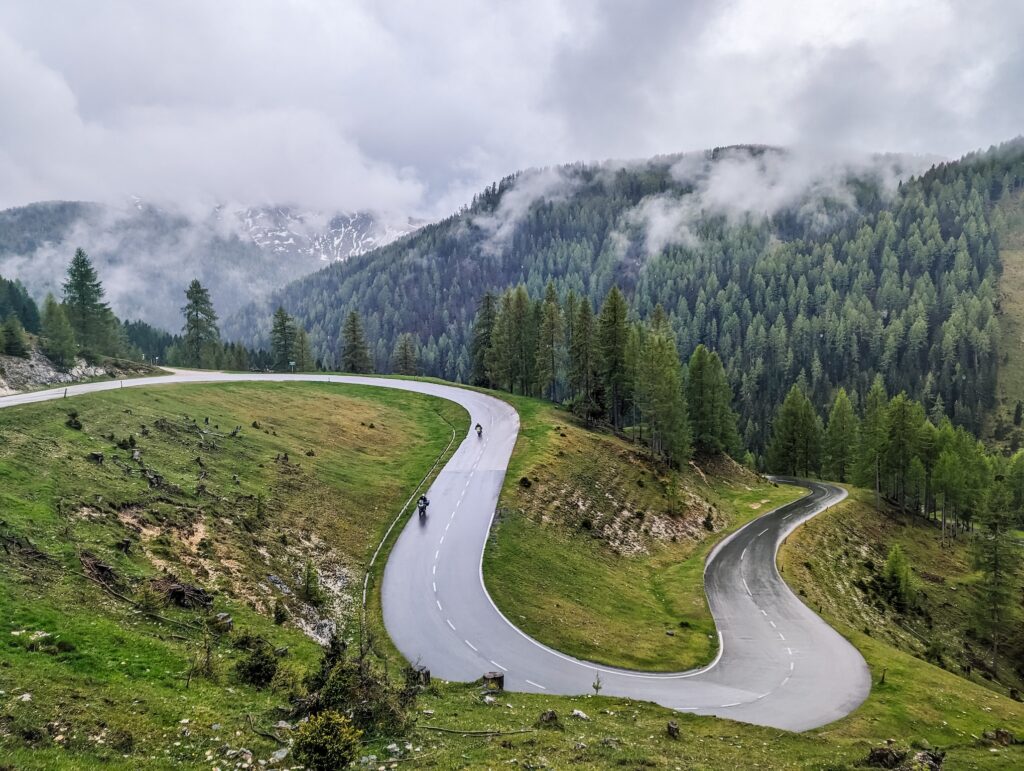
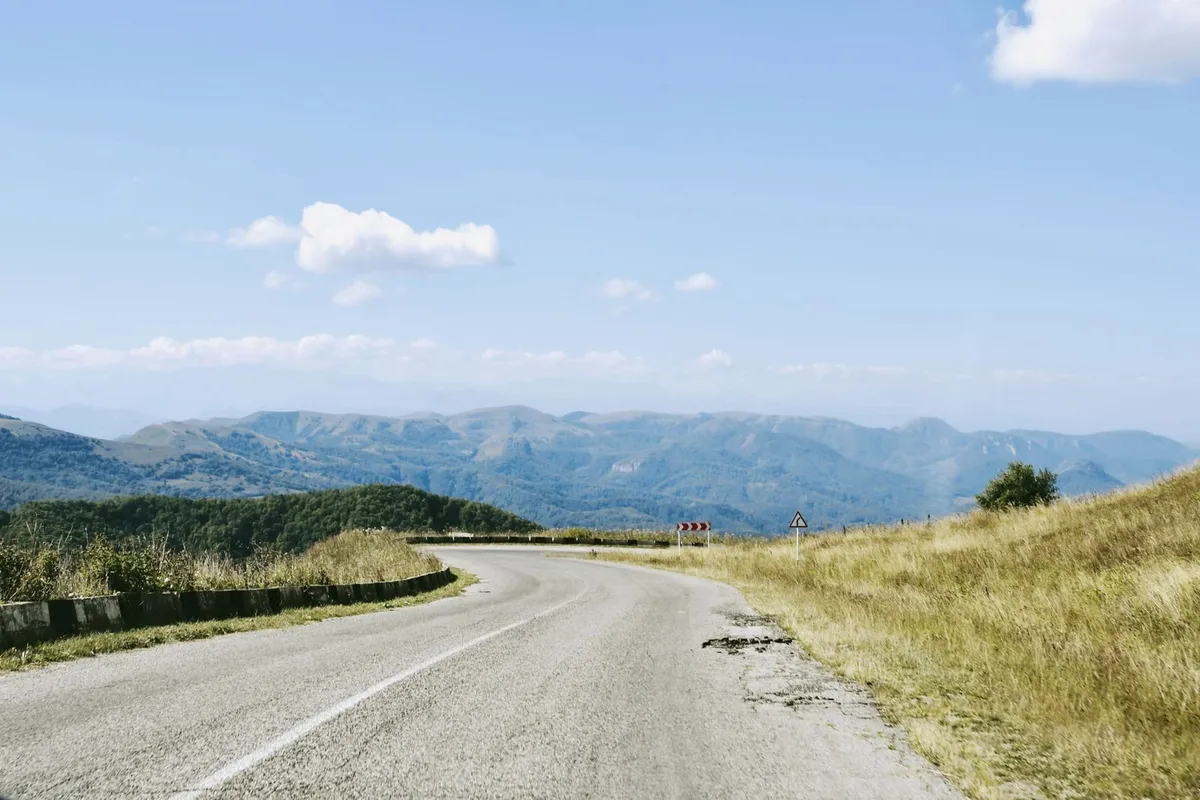
On a map, 400 km looks like an easy day. On back roads, with fuel stops, lunch, a few photos and one wrong turn, it becomes ten hours in the saddle. For a first trip, many riders find 250 to 350 km a day on minor roads plenty, and less in the mountains, where a pass full of hairpins can take an hour for 30 km.
So plan by time. Aim for five or six hours of actual riding, add your breaks, and keep the evening free. Away for a week? Build in a spare day for rain, a sore back or a town you are not ready to leave.
Get the bike ready two weeks early
Not the night before. Two weeks gives you time to order a tyre or book a service if something turns up. Start with the tyres: a loaded bike wears the rear faster than you are used to, so if the tread is close to the wear indicators, fit new ones before you go and ride a few hundred kilometres on them first. Look up the pressures for a loaded bike in your owner’s manual; they are often higher than the solo values.
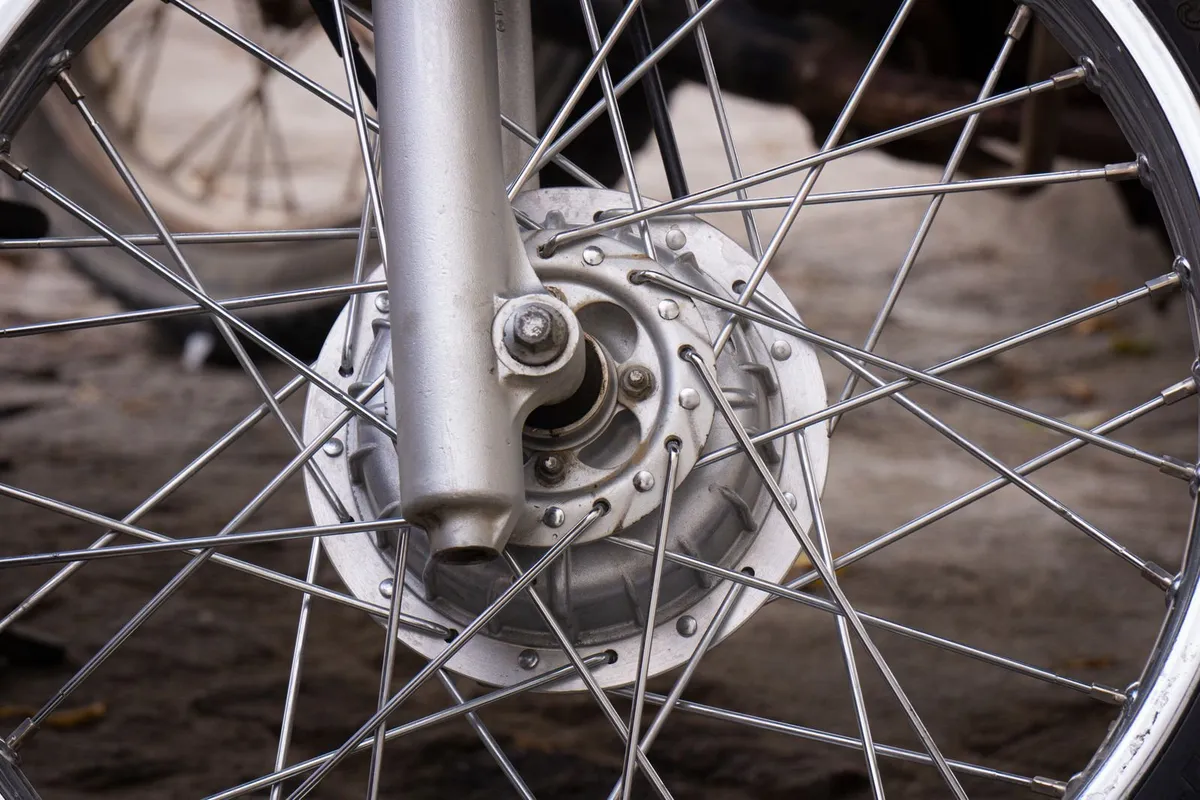
Then the chain (tension, wear, lube), the brake pads and fluid, the oil level and the date of your next service, every bulb including the brake light, and the battery. A battery that struggles on a cold morning at home will not get better halfway through a trip.
Papers and rules per country
Every country on your route has its own rules, and they change. A few things to look up before you leave, rather than at the border:
- Insurance. Ask your insurer which countries you are covered in and whether you need a green card for any of them. Several countries outside the EU still ask for one.
- Breakdown cover. Find out whether it covers you abroad, and save the number in your phone.
- Tolls and vignettes. Some countries charge for motorways with a vignette, also for motorcycles (Switzerland and Austria, for example), others with toll booths. If your route stays off the motorway, you may not need one at all.
- Low-emission zones. Some cities have zones that also apply to motorcycles, such as the Crit’Air sticker in many French cities. Look up the cities on your route and whether you need to register or buy a sticker in advance.
- Kit you must carry. Some countries require certain items on the bike or on you, such as a hi-vis vest or approved gloves. The list differs per country.
We leave out fees and exact rules on purpose: they change from year to year. Check the current rules for your route on the official sites of each country before you go.
Pack light, and pack for rain
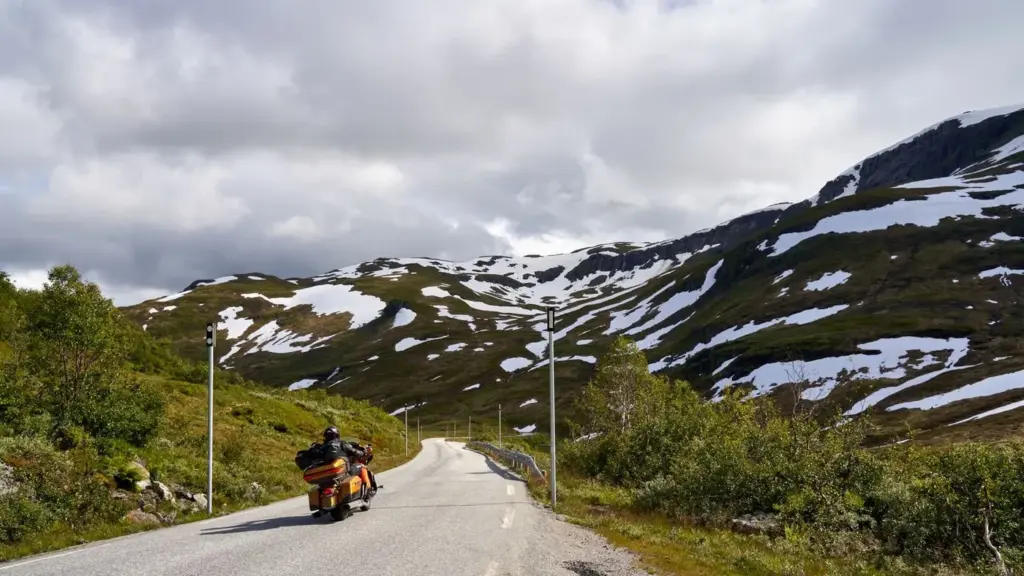
Everything you bring changes how the bike handles, so keep the weight low and central: heavy things at the bottom of the panniers, light things on top, nothing heavy high up on the rack. Stay within the load your manual allows, and within what you can still push or lift the bike with.
Clothing is about layers, not volume. A thin base layer, a warm mid layer and a waterproof outer layer cover most weather, from a grey morning in the Ardennes to the top of an Alpine pass. The rain gear goes on top of the luggage, where you can reach it at the roadside without unpacking everything. Earplugs matter more on a long trip than on a day ride: eight hours of wind noise tires you more than you notice.
Navigation that works without signal
Mountain valleys, border areas and quiet countryside all have dead zones. Put the route on your sat-nav or phone as a file before you leave, not as a link you plan to open on the road. One GPX file per day is easiest: if one day changes, you only redo that day. Download offline maps for the whole region too, so the map still loads where mobile data does not.
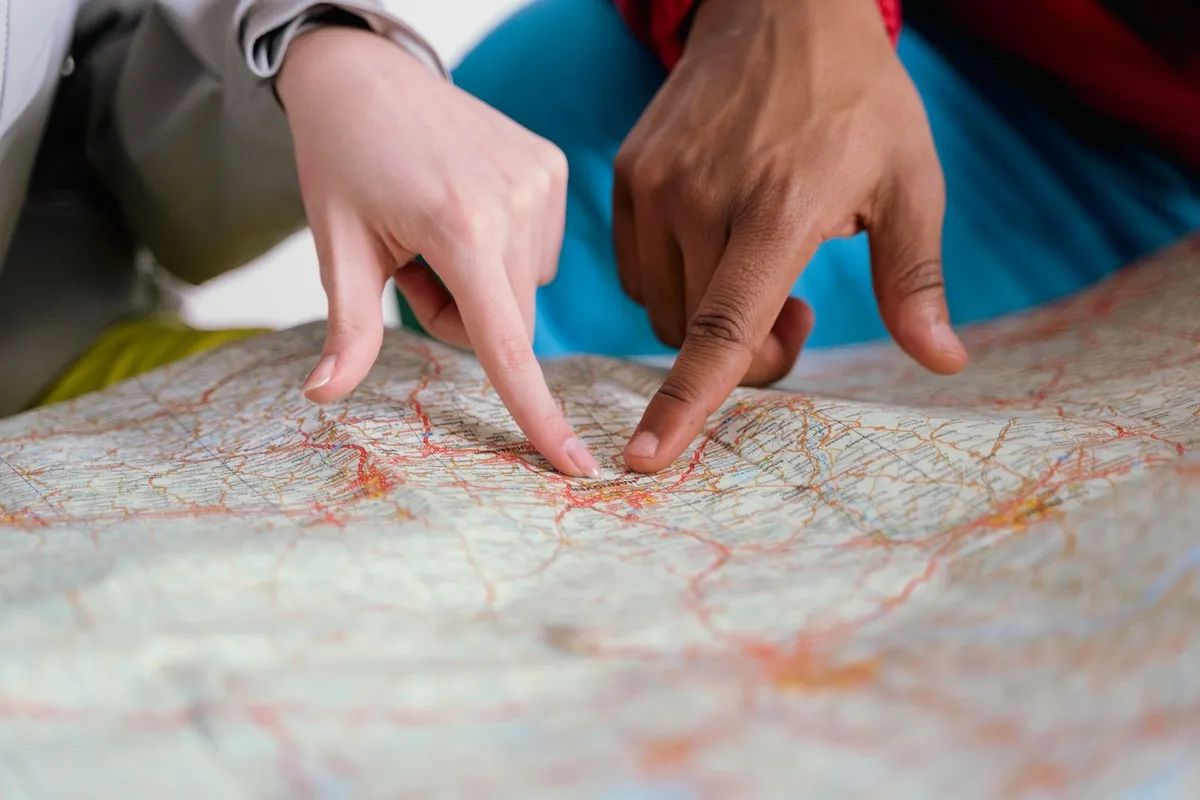
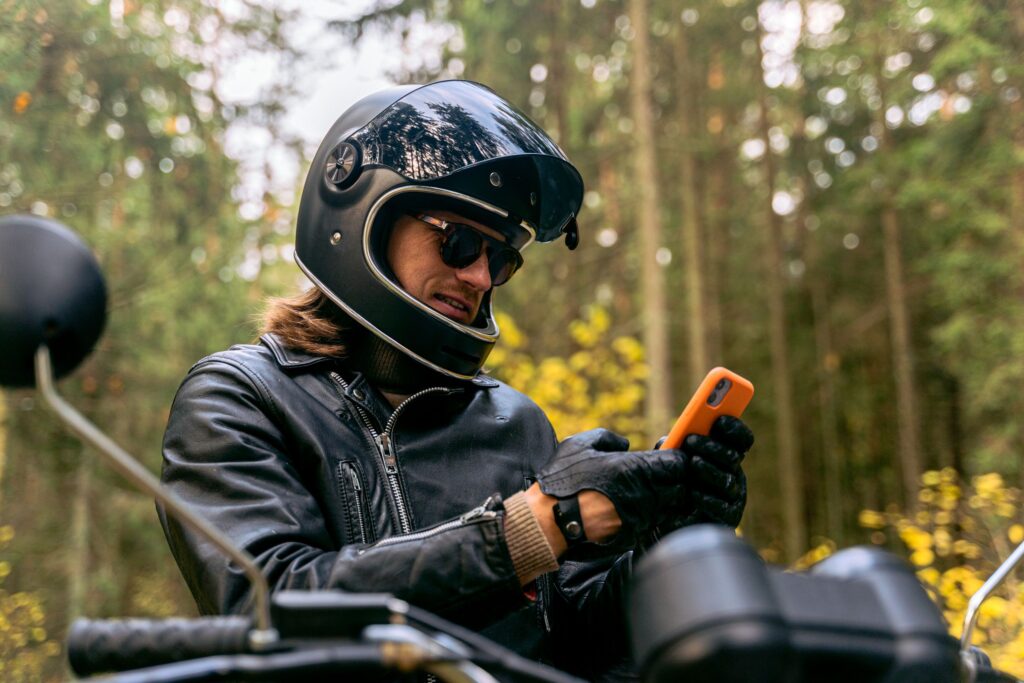
Make sure your phone mount holds with gloves on and over bumps, and that the phone charges while you ride: navigation drains a battery fast. A paper map of the region weighs next to nothing and gets you home if the electronics give up.
On the road: a daily rhythm
Most riders find a rhythm after a day or two. Look at the weather in the morning and adjust the day to it, not the other way round. Fill up when the tank is half empty rather than when the light comes on, especially in remote areas or on a Sunday, when small stations can be closed. Stop every two hours or so, drink water and stretch, even when you do not feel tired. Fatigue builds up without you noticing, and the last hour of the day is where it shows.
And tell someone at home where you are heading each day and roughly when you expect to arrive. A short message in the evening is enough.
The checklist
Print it or keep it on your phone, and tick it off the evening before you leave. It is a starting point: your bike’s manual and the rules of the countries on your route always come first.
The bike
- Tyres: enough tread for the whole trip, no cuts or damage
- Tyre pressures set for a loaded bike, as the manual gives them
- Chain: tension, wear and lube (or shaft or belt, as the manual says)
- Brakes: pads, discs and fluid level
- Oil level, and no service due halfway through the trip
- Coolant level
- All lights: dipped and main beam, brake light, indicators, number plate light
- Horn
- Battery charged, terminals tight
- Luggage fitted and tested on a short ride
Papers
- Driving licence, plus an international driving permit if a country on your route needs one
- Passport or ID card
- The bike’s registration document
- Insurance certificate, plus a green card if a country on your route asks for one
- Breakdown cover details and phone number
- Vignettes, toll tags or low-emission zone registrations where needed: check the current rules for your route
- European health insurance card or travel insurance
- Photos of all of the above, on your phone and in the cloud
Gear and luggage
- Rain suit or waterproof outer layer, packed on top
- Layers: base layer, warm mid layer, a spare pair of gloves
- Earplugs
- Hi-vis vest, if your route requires one
- First-aid kit
- Basic tools for your bike
- Tyre repair kit (plugs for tubeless, patches and levers for tubed tyres) and a small compressor or CO2 cartridges
- Chain lube and a rag
- Spare fuses and bulbs
- Cable ties and a roll of tape
- Disc lock or chain lock
Navigation
- Route planned, one GPX file per day
- GPX files on the sat-nav or phone, each opened once to test
- Offline maps downloaded for the whole region
- Phone mount that holds with gloves on and over bumps
- Charging on the bike, plus a spare cable and a power bank
- Paper map of the region as a backup
Every morning
- Weather along today’s route
- Fuel range compared with the gaps between stations
- A stop planned about every two hours
- Tyre pressures and a quick look at the chain
- Today’s route and tonight’s stop shared with someone at home
In an emergency
- An ICE (“in case of emergency”) contact you can reach from your phone’s lock screen
- Medical details (allergies, medication, blood group) in your phone’s emergency info
- 112: the emergency number across the EU and in many other countries
- Insurance and breakdown numbers saved in your phone
Plan it with Motarva
Motarva is a free route platform built by riders, for riders. A few ways it helps with a longer trip:
- Draw each day. In the route planner you draw a route that follows the roads and see the distance, an estimated ride time and the elevation profile while you plan. That makes it easy to keep every day within your limit.
- Fuel and stops on the way. The planner shows places along your route, such as fuel stations, food and viewpoints.
- Onto your device. Export each day as GPX, TCX, FIT or ITN. Our guides show how to put a route on a Garmin or a TomTom Rider, and which format to pick.
- Ideas from other riders. Browse routes on the map, or start from ten multi-day trips with a free GPX. Every route is drawn and shared by a rider, so look up road closures and conditions before you ride it.
Rather plan on your phone? The Motarva app for iPhone is free to download.
Frequently asked questions
How far should I ride per day on my first long trip?
Think in riding time rather than kilometres. Five to six hours of riding makes a full day for most riders. On minor roads that is often 250 to 350 km, in the mountains a lot less.
Do I need a green card to ride abroad?
It depends on the country and on your insurer. Within the EU your insurance usually covers you without one, but several countries outside it still ask for it. Ask your insurer before you go.
How do I navigate without mobile signal?
Load the route as a file (GPX) on your sat-nav or phone before you leave, and download offline maps for the region. Then you do not need a connection on the road. Bring a paper map as a backup.
What do I need to fix a puncture on the road?
A repair kit that matches your tyres (plugs for tubeless, patches and levers for tubed tyres) and a way to pump the tyre back up, such as a small compressor or CO2 cartridges. Try it once at home, so you are not reading the instructions at the roadside.
When should I get the bike ready before a long trip?
About two weeks before you leave. That leaves time to fit tyres or replace parts, and to ride a few hundred kilometres to make sure everything works.
Photo: Barnabas Davoti / Pexels